


Thank you for Subscribing to Med Tech Business Review Weekly Brief
Syringes And Devices Distribution: Strengthening Clinical Supply Reliability
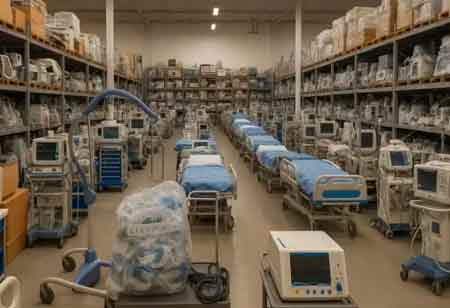
Medical syringes and devices supplier companies function within a healthcare environment where reliability is inseparable from patient safety. These suppliers sit at a critical junction between manufacturing and clinical application, handling products that must perform with exact precision under controlled conditions. Syringes and associated devices are used across a wide range of procedures, from routine administration to complex therapeutic delivery, making consistency in availability and performance essential. Distribution is shaped by strict handling requirements, where storage conditions, packaging integrity, and traceability determine whether a product retains its intended function. Operational discipline defines this segment, as even minor inconsistencies in supply or handling can influence clinical workflows in immediate and measurable ways.
Gold Standard Considerations in Lower Limb Prosthetic Care
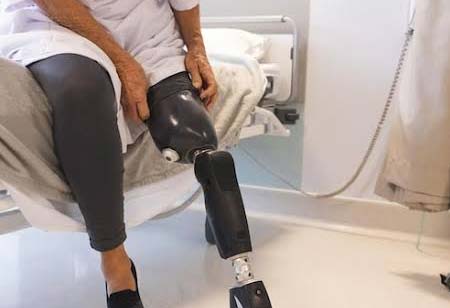
Lower limb amputation remains one of the most resource-intensive challenges within healthcare and medical devices, carrying long-term clinical, economic and rehabilitative consequences for providers and payers alike. Executives responsible for acquiring prosthetic solutions have to balance functional outcomes, patient safety and system-level efficiency, particularly as amputation volumes rise due to vascular disease, trauma and aging populations. Within this ecosystem, meaningful differentiation no longer comes from incremental material changes alone but from how effectively a prosthetic system adapts to the biological variability of patients while facilitating seamless care delivery.
Technological Breakthroughs in Orthopedic Imaging: Shaping the Future of Care
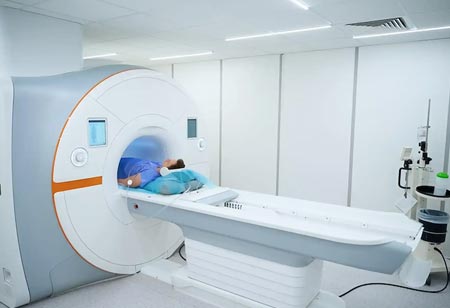
The contemporary healthcare system employs advanced diagnostic technologies that facilitate a transition from traditional methods to more efficient practices. The advancement of imaging technologies has delivered crucial insights into musculoskeletal health, thereby enabling accurate diagnoses and the formulation of more effective treatment plans. Consequently, the healthcare industry increasingly emphasizes the need for non-invasive diagnostic tools, which has led physicians to develop non-invasive diagnostic devices derived from their orthopedic imaging products.
Medical Syringe Supply That Protects Continuity

Executives responsible for medical syringe and device procurement face a narrower margin for error than the product description suggests. A syringe can look like a commodity until a shortage, sizing mismatch or compliance file gap turns a routine purchase into a disruption across clinics, pharmacies, laboratories or animal health programs. The stronger supplier is not simply the one with a wide catalog. It is the one that can convert varied use cases into dependable availability, documented product confidence and fit-for-purpose selection without forcing procurement teams to manage every exception themselves.
Investing in Excellence: The Impact of Medical Aesthetics Equipment on Treatment Success
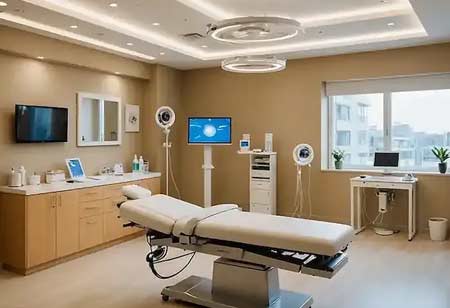
The medical aesthetics industry has experienced substantial growth during recent times because technological developments have enabled more people to access non-surgical cosmetic treatments. The increasing focus on appearance, together with the need for quick recovery, has made Botox injections, laser skin resurfacing and body contouring procedures popular among people.
Evaluating Medical Aesthetics Equipment for Clinical Impact and Practice Growth
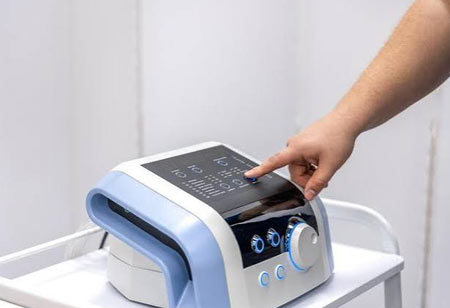
Medical aesthetics practices face a decision environment that blends clinical responsibility, patient expectations and financial pressure. Devices promise smoother skin, hair restoration or body rejuvenation, yet long-term success depends on far more than technical specifications. Leaders responsible for acquiring medical aesthetics equipment increasingly judge technologies by how reliably they translate into consistent patient outcomes and sustainable practice economics.
Meeting Global Healthcare Needs: The Evolution of Medical Devices
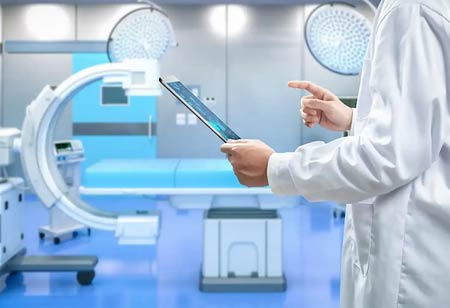
The medical device industry experiences rapid transformation through three main drivers, which include technological progress, growing patient requirements and the increased demand for efficient healthcare services. Medical devices function as vital components that enhance care delivery and boost patient outcomes through their range of diagnostic tools and surgical instruments.
Interventional Orthopedic Imaging as a Clinical Enabler

Orthopedic surgery has shifted steadily toward procedures that demand greater precision in less controlled environments. Extremity-focused interventions now occur across hospitals, outpatient centers and physician offices, placing new pressure on imaging systems to support accuracy, speed and consistent outcomes without relying on the infrastructure of a full diagnostic suite. For executives responsible for capital acquisition in the medical devices sector, the question is no longer whether imaging is required at the point of intervention, but whether the imaging system genuinely improves clinical execution while fitting the realities of modern care delivery.
Advancing Mobility and Independence with Lower Limb Amputation Solutions
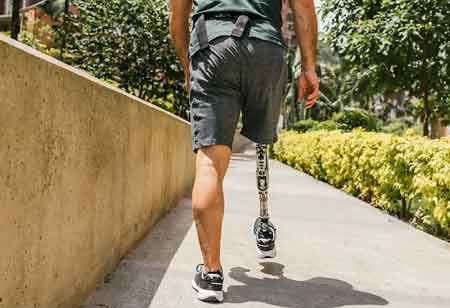
Lower limb amputation solutions occupy a critical position at the intersection of healthcare, rehabilitation, and assistive technology. Lower limb amputation does not represent an end to mobility but rather the beginning of a new phase of rehabilitation that demands precision, adaptability, and long-term support. The market for lower limb amputation solutions reflects a broader shift toward patient-centric care, functional outcomes, and technology-enabled rehabilitation.
Evaluating Excellence in Medical Device Manufacturing for Physical Medicine and Aesthetics
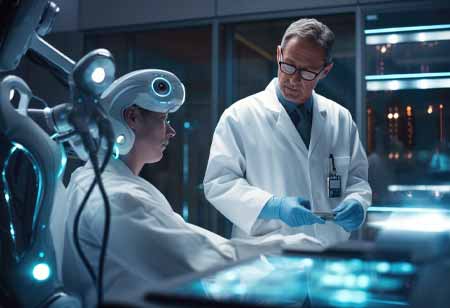
Executives responsible for sourcing medical device manufacturers face a narrowing margin for error. Reimbursement pressure, rising patient expectations and intensified regulatory oversight require partners that do more than supply equipment. They must offer coherent technology portfolios, credible clinical grounding and sustained support that protects long-term capital investment. In physical medicine and aesthetic care, where outcomes and patient experience are tightly linked, the choice of manufacturer shapes both clinical performance and business stability.

